Tag: ubud

  • Bali Weather in February – What It’s Really Like from a Local Driver’s View

    Bali Weather in February – What It’s Really Like from a Local Driver’s View

    Alright, lemme tell you straight — if you’re wondering what Bali weather in February feels like, you’re not alone. I get asked that all the time. Tourists hop in my van, first thing they say is, “So… is it gonna rain all day today?” And yeah, it’s February, so rain? Yep, it’s likely. But does that mean your Bali trip’s ruined? Nope. Not even close.

    Check also: Things to Do in Bali

    I’ve been driving tourists around this island for over 15 years now. February is actually one of the most misunderstood months. People see “rainy season” and start panicking like we’re talking monsoon apocalypse or something. Chill. Bali rain in February has its mood swings, sure, but once you get used to it, you might actually start enjoying the rhythm of it.

    What Kind of Rain Are We Talking About?

    First off, lemme break the rain thing down for you — it’s not like in Europe or Australia where it might drizzle all day, non-stop. In Bali, rain comes and goes. One moment it’s blazing sun, and the next — boom — tropical downpour. But it’s usually short and sweet. Thunderstorm hits hard for like 30 minutes, maybe an hour. Then it’s done, streets steam a bit, and the island smells fresh like lemongrass and wet earth.

    Mornings in February? Surprisingly dry, most of the time. That’s when I tell my guests, “We go early, ya? Beat the rain.” We start around 7 or 8am, knock out the waterfalls, temples, or rice terrace walks, and by the time the clouds start throwing tantrums in the afternoon, we’re chillin’ in a café or a spa.

    Now, yeah, sometimes the rain overstays its welcome — especially late afternoon and evenings. But if you’re staying in places like Ubud or Seminyak, there’s still plenty to do indoors. Cooking class, batik workshop, fancy massage places — rain ain’t stopping that.

    Humidity? It’s a Whole Mood

    Now let’s talk about the real beast — humidity. February is sticky, no lie. We’re talking 80-90% humidity on average. You take a shower, towel off, step outside — and boom — you’re sweaty again. It’s like the air hugs you, in the clingy way. So wear light, breathable clothes. Linen shirts, loose cotton dresses, stuff that don’t trap sweat.

    Locals like me, we’re used to it. I grew up in this heat, so I got no problem walking around in flip-flops and a faded tee. But if you’re from a cooler climate, your body’s gonna take a few days to adjust. Don’t fight it — stay hydrated. Coconut water works like magic, and it’s sold on pretty much every street corner.

    How Hot Is It Really? Let’s Get Specific

    You’re lookin’ at average temps around 26°C to 30°C (that’s 78°F to 86°F). But factor in the humidity, and it can feel like 35°C (95°F) or more. That’s why I always say — do the outdoor stuff early. Wanna hike Mount Batur? Book the sunrise trek, not the afternoon one unless you enjoy feeling like a boiled egg.

    One of my guests last year, British guy, tried walking around Uluwatu mid-day in February. Came back red-faced, shirt soaked, and said, “Mate, it’s like walking through a sauna in jeans.” Lesson learned.

    Is February Low Season in Bali? Yes — And That’s a Good Thing

    Here’s the thing most tourists don’t realise — February is part of Bali’s low season. Except around Chinese New Year — that week gets busy. But apart from that, crowds are way less intense. No elbowing your way through Tanah Lot. No hour-long wait for that Instagram swing in Tegalalang. You get the good spots, with less hustle.

    Hotels and villas? They drop their rates. I’ve seen some fancy 4-star places in Seminyak or Ubud go for under $80 a night. Even private pool villas are more affordable. My cousin runs one in Canggu — usually packed in July — but in Feb, he’s got more availability and throws in extras like airport pickup or floating breakfast.

    Even driver rates (like mine) are more flexible. I don’t hike prices in February. Why would I? I’d rather have guests exploring with me than sitting in their hotel because someone scared them off with “rainy season horror stories.”

    What You Can Still Do (Even If It Rains)

    Alright, lemme break this down Bali-driver-style — these are some of my favourite things to do in February:

    • Waterfalls like Tibumana or Tukad Cepung — more water = more drama. Sure, the trails get muddy, but with the right sandals and a little care, you’re good. And hey, fewer tourists means better photos.
    • Hot Springs near Mount Batur — rainy season + warm water = heaven. Trust me, sitting in Toya Devasya with steam rising while it drizzles lightly? That’s proper Bali magic.
    • Temple visits — places like Tirta Empul or Goa Gajah are peaceful when it’s quiet. Bring a sarong and embrace the cultural vibes.
    • Balinese cooking classes — indoor, air-conditioned, and tasty. Plus, you’ll learn why our sambal is better than anything you get back home.
    • Massage and spa time — what better excuse to pamper yourself than “Oh no, it’s raining. Guess I’ll get a two-hour Balinese massage again.”

    One of my guests — a digital nomad from Germany — once told me February became her favorite month because she could work in the mornings, explore between showers, and spend rainy evenings eating satay in warungs with zero tourist chaos.

    But Can You Still Hit the Beach?

    Yes, but with a lil’ caution. Some beaches can get debris from the ocean currents during February — especially on the southern and western coasts like Kuta, Seminyak, and Canggu. The tide brings in trash sometimes, sadly. But beaches like Nusa Dua or parts of Sanur? Cleaner, calmer, and still swimmable.

    And if you’re into surfing, guess what? February can be solid for surf on the east coast — places like Keramas or Serangan. Water’s warm, waves are fun, and lineups are less crowded. I’ve had Aussie clients book whole weeks just to surf in February, and they don’t mind a lil’ rain.

    February Festivals and Local Happenings You Shouldn’t Miss

    Now this one’s important. February isn’t just rain and quiet beaches — it’s full of cultural stuff too. Depending on the Balinese calendar, you might catch Galungan or Kuningan falling in Feb. These are big, colorful Hindu holidays. You’ll see bamboo poles (penjor) on the roads, everyone dressed in traditional outfits, and offerings everywhere. Respect the customs, take photos, but always ask before entering temple ceremonies.

    Oh and yeah, sometimes Chinese New Year lands in February. If that’s the case, Bali — especially places like Sanur or Nusa Dua — lights up with lion dances, fireworks, and special menus at Chinese-owned restaurants. A bit more traffic that week, but also lots of color and energy.

    One time, I had a Singaporean family who came just for CNY celebrations — they loved how Bali blends cultures. We even got them invited to a local temple event. They still send me WhatsApp messages on every Chinese New Year.

    What to Pack for Bali in February

    Alright, if you’re still with me, lemme save you some headache — pack smart.

    • Lightweight clothes that dry fast. I’m talkin’ shorts, tanks, airy dresses.
    • A good rain jacket or poncho — not those thin ones that rip in a breeze.
    • Waterproof sandals or flip-flops. Don’t bring your fancy white sneakers. They’ll be brown after one rice terrace walk.
    • Dry bag or plastic pouch for your electronics. Especially if you’re riding scooters or doing boat tours.
    • Insect repellent. After the rain, mosquitoes love to party.

    Oh and don’t forget sunscreen. People forget that it still gets UV-heavy even when it’s cloudy. I’ve seen more red faces than a chilli warung after people assume February sun can’t burn.

    Is It Worth Visiting Bali in February? Let Me Be Real With You

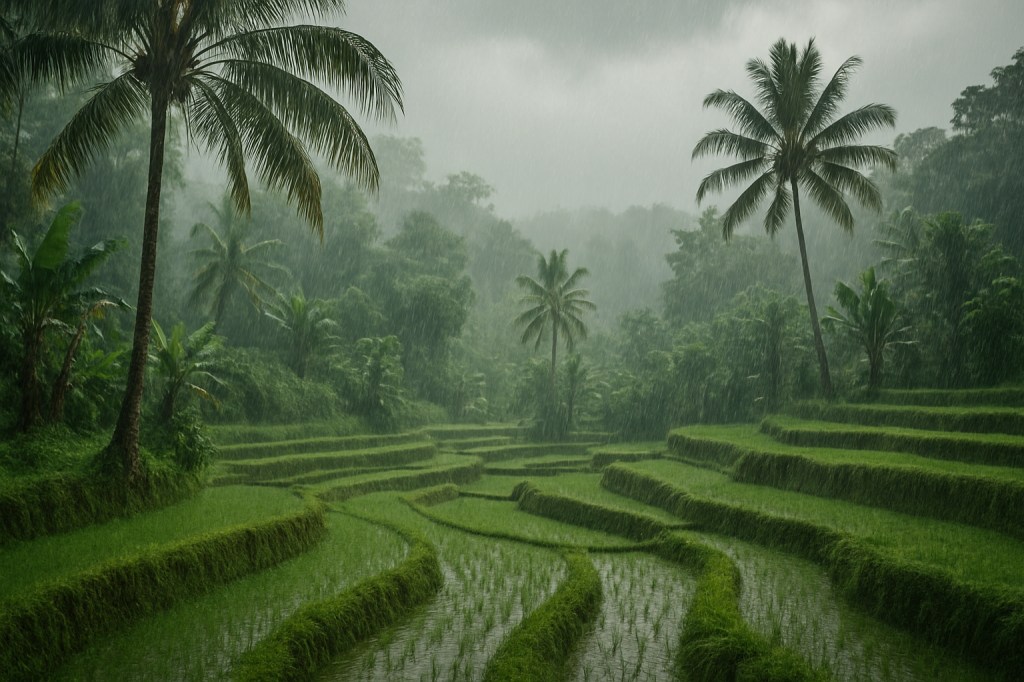
    Yes. 100% yes. But only if you come with the right mindset. February isn’t postcard-perfect sunshine every day. But it’s authentic Bali — raw, lush, slower-paced. The rain makes the rice fields greener. The air feels thicker, alive. You’ll hear frogs at night, smell incense mixing with the scent of damp earth, and maybe find yourself enjoying a slower kind of travel.

    You won’t get the loud beach club vibes like in August. But you’ll find connection — with locals, with nature, and maybe with yourself. One of my clients — a yoga teacher from Canada — once told me February in Bali made her stop rushing through life. She ended up staying two months instead of two weeks.

    Real Talk About Road Conditions During Bali’s February Rain

    Now listen, since I’m your Bali private driver in this chat — we gotta talk roads. February rain and Balinese roads don’t always get along, ya know? Especially in rural areas or up in the mountains near places like Kintamani or Sidemen. When it rains heavy, the roads get slick, and potholes… oh man, they pop up like mushrooms after rain.

    I drive a Toyota Innova — solid, reliable, not too low to the ground. But I still gotta be careful, especially after dark. Water can cover holes or loose gravel, and it ain’t always lit well outside tourist zones. I tell my guests, “If you don’t need to be out late, better relax in your villa with a Bintang.”

    Scooter drivers? Whew. February is not beginner-friendly. If you’ve never driven a scooter in rain on Balinese roads, maybe skip it. I’ve seen too many tourists wipe out ‘cause they didn’t slow down or tried riding with flip-flops. Not worth the hospital bill, trust me. Better to rent a car with driver — like me — or grab a GoJek if you’re in the busy areas.

    Driving Schedules in February — What Works Best

    Alright, here’s how I usually plan full-day tours in February:

    • Start early: I pick you up around 7:00 or 7:30am. Mornings are gold — bright, fresh, and often dry.
    • Midday chill: By 1 or 2pm, the clouds usually start showing attitude. We try to be indoors — restaurant, spa, or covered market.
    • Evening: Up to you. Sometimes the rain takes a break and evenings are beautiful. Sometimes it’s a full-on water show. I’ll check the local radar and plan accordingly.

    One trick I’ve learned? Central Bali (Ubud, Tegalalang, Kintamani) usually gets more rain than the coast. So on cloudy days, we stick to places like Sanur, Jimbaran, or Nusa Dua — they stay clearer more often.

    February Is a Green Wonderland — Nature’s in Full Bloom

    You want to see Bali looking lush, wild, and dramatic? February’s your month. Seriously. The rain turns everything neon green. Rice fields, jungle trails, even the roadside weeds — all bursting with color. This ain’t the dusty Bali of dry season.

    I’ve taken so many photographers out in February, especially early morning after a rainy night. Mist hangs in the trees, the air’s thick, and the light? Unreal. One guy from Korea said it was the best lighting he’d ever shot in — better than dry season by far.

    Even my garden at home goes wild in February. The frangipani trees bloom like crazy, mangoes are everywhere, and you don’t even need to water the plants. Nature takes care of it.

    Ubud in February — Yes or No?

    Okay, Ubud’s kinda tricky in February. It’s beautiful — don’t get me wrong — but the rains hit hard up there. That jungle air gets thick, and some trails (like Campuhan Ridge or waterfalls like Tegenungan) can get real muddy. If you’re okay with that, it’s fine. Just pack good shoes. Not flip-flops, proper sandals with grip.

    But what I love about Ubud in Feb? It’s peaceful. The streets aren’t crammed. The yoga shalas have space. Even the Monkey Forest feels less chaotic. You get to enjoy that spiritual, arty Ubud vibe without elbowing your way through crowds.

    One couple I drove last February did a 3-day silent retreat in Ubud during the rain. They said the sound of rain on the roof helped them meditate better. Not my thing, but hey — whatever works.

    Seminyak, Canggu & Uluwatu in February — What’s the Vibe?

    Let’s break this down like I would for my guests in the van.

    • Seminyak: Still lively, but more relaxed than peak months. The rain might flood some small alleys (we call ‘em “gangs”), but main streets like Oberoi stay fine. Bars still pump music, but fewer influencers hogging the cafes. You might even get into Ku De Ta without a booking.
    • Canggu: February here is… muddy. Especially if you’re staying near Batu Bolong or Echo Beach. The hipster cafes are still open, but the shortcuts between rice fields can turn into small lakes. Still, surfers love Canggu in February. I’ve dropped off Aussies with boards who didn’t care about rain — just waves.
    • Uluwatu: This is my go-to suggestion for February guests who want views, cliffs, and chill time. Uluwatu’s drier than Ubud, less traffic than Seminyak, and the cliff views after a rain shower? Wow. Like the ocean got a fresh paint job.

    Best Time of Day for Outdoor Stuff

    This one’s easy: morning is king. I say it so often, I should print it on my van.

    The sky’s usually clearer in the morning. Between 6am to 11am, you can knock out hikes, temples, beaches, waterfalls — all the good stuff. Afternoons are more hit-or-miss, especially after 2pm.

    If you’re trying to squeeze in a temple like Besakih or a long drive up to Lovina, do it early. Rain delays aren’t fun when you’re halfway up a mountain road.

    So, Is February the Cheapest Month to Visit Bali?

    It’s one of the cheapest — no joke. January and February are both part of what we call the “green season” — fewer tourists, more promos.

    I’ve seen luxury resorts offer 50% discounts during Feb. Villas that normally cost $300+ in July go for $120 or even less. Flights from Australia, Singapore, or KL? Much cheaper. And restaurant lines? Basically non-existent.

    The only time prices jump in February is during Chinese New Year. Hotels fill up fast, especially in Sanur, Nusa Dua, and sometimes Ubud. If you’re planning to come during that week, book early — like a month ahead. I’ve had last-minute guests stuck without a room ‘cause they didn’t realise the holiday rush.

    But apart from that? February is a budget traveler’s dream. Less cash, more space, more calm.

    Local Life in February — What We Do When It Rains

    Quick side note — locals actually love February. Kids don’t have to water the plants. Farmers bless the rain. Even ceremonies are adjusted to work around the weather. You’ll see more indoor offerings, more incense smoke curling through the air.

    When I’m not driving, I help my wife cook during the rainy evenings. We make things like bakso (meatball soup), bubur ayam (rice porridge with shredded chicken), or pisang goreng (fried bananas). Rainy weather food hits different — warm, spicy, filling. You should try it.

    Sometimes we just sit on the porch with tea, listen to the rain on the roof, and chat. Life moves slower, and that’s okay.

    How February Compares to Other Months (Real Talk)

    Let me lay it out:

    • December: Very wet, super busy around Christmas/New Year. Expensive too.
    • January: Still wet, fewer tourists than Dec.
    • February: Wet but manageable. Cheapest and quietest of the three.
    • March: Still green, but starting to dry out. Nyepi (Bali’s day of silence) sometimes falls here — amazing experience if you catch it.

    If you’re deciding between January or February, I say go February. Less chaos, better deals. Just prepare for some rain — mentally and physically.

    Best Areas to Stay in February for Easy Access and Less Rain

    So if you’re thinking “Where should I base myself?” — here’s my take:

    • Sanur: Best mix of dry weather, calm beach, and easy access. Great for families or older travelers.
    • Seminyak: Stylish, lots of dining, still easy to get around.
    • Nusa Dua: Clean, resort-y, and less affected by February trash currents.
    • Ubud: For spiritual or artistic travelers who don’t mind getting a lil muddy.
    • Sidemen: Hidden countryside charm, super green — if you don’t mind remote and rainy.

    I usually recommend staying central (like Seminyak or Sanur) and then doing day trips. That way, you don’t get stuck somewhere far if the weather turns suddenly.
  • Things to Do in Bali: A Complete Travel Experience

    Things to Do in Bali: A Complete Travel Experience

    Bali is a beautiful island in Indonesia that attracts travelers from all over the world. If you’re looking for things to do in Bali, you’re in the right place. Bali offers a wide variety of experiences, from relaxing on its stunning beaches to exploring its rich culture and history. Whether you’re a thrill-seeker or someone who wants to unwind, Bali has something for everyone. In this guide, we’ll explore the best things to do in Bali, including famous attractions, hidden gems, and unique adventures. With its diverse landscapes, vibrant culture, and warm hospitality, Bali is a destination that guarantees an unforgettable experience.

    From the lush jungles of Ubud to the sandy shores of Seminyak, you’ll find numerous activities that will make your visit special. In addition to well-known places, we’ll highlight some of the best-kept secrets of Bali, so you can enjoy the island like a local. No matter your interests, whether it’s water sports, hiking, or cultural experiences, there are countless things to do in Bali that will make your trip memorable.

    Explore Bali’s Iconic Temples and Spiritual Sites

    One of the top things to do in Bali is to visit its iconic temples and spiritual sites. Bali is known for its rich Hindu culture, and the temples on the island reflect its deep spiritual heritage. From breathtaking cliffside views to peaceful jungle settings, Bali’s temples are not only places of worship but also landmarks filled with history and beauty. Whether you’re interested in learning about local traditions or simply enjoying the scenic views, Bali’s temples are an essential part of the island experience.

    Check also: Places to Visit in Indonesia

    Uluwatu Temple:

    Located on a dramatic cliff overlooking the ocean, Uluwatu Temple is one of Bali’s most famous landmarks. This ancient temple is not only a place of spiritual significance but also a popular spot to catch stunning sunset views. You can also enjoy the traditional Kecak dance performance held here at sunset, where dancers tell a story through movements and chants.

    Tanah Lot Temple:

    Tanah Lot Temple is another must-see in Bali. Situated on a rock formation surrounded by the ocean, this temple is often photographed at sunset, as the view is truly mesmerizing. It’s one of the most visited temples on the island and is a fantastic place to learn about the local religious practices while enjoying the dramatic coastal views.

    Besakih Temple:

    Known as Bali’s Mother Temple, Besakih Temple is located on the slopes of Mount Agung. It’s the largest temple complex on the island and a place of great religious importance to the Balinese people. A visit to Besakih provides insight into Bali’s Hindu culture and offers panoramic views of the surrounding mountains and valleys. The peaceful atmosphere and stunning landscapes make this one of the most serene things to do in Bali.

    Tegallalang Rice Terrace:

    While not a temple, the Tegallalang Rice Terrace near Ubud offers a spiritual experience through its peaceful surroundings. The lush, green terraces are often visited for their natural beauty and the calming atmosphere. This site is a fantastic place to connect with nature and learn about Bali’s traditional farming practices.

    Each of these sites provides a unique glimpse into the heart of Bali’s culture. Whether you’re interested in history, nature, or simply seeking a quiet space for reflection, visiting Bali’s temples is one of the best things to do in Bali to enrich your travel experience.

    Adventure Seekers’ Paradise: Things to Do for Thrill-Seekers

    If you’re an adventure lover, there are countless things to do in Bali that will get your heart racing. The island offers a wide range of thrilling activities, from hiking up an active volcano to whitewater rafting through jungle rivers. Bali’s diverse landscapes and natural beauty make it a perfect destination for adrenaline-pumping adventures. Whether you’re into water sports, hiking, or extreme experiences, Bali has something exciting for every thrill-seeker.

    Mount Batur Sunrise Trek:

    For those who love a good challenge, the Mount Batur Sunrise Trek is one of the most popular things to do in Bali. This early morning hike takes you to the top of an active volcano, where you’ll witness a stunning sunrise over the island. The hike is moderate but rewarding, offering amazing views of the surrounding mountains, lakes, and villages. It’s an unforgettable experience for nature lovers and adventure seekers alike.

    Whitewater Rafting on the Ayung River:

    Another great adventure activity in Bali is whitewater rafting on the Ayung River. This thrilling water sport allows you to navigate through fast-moving waters while surrounded by lush jungle and dramatic cliffs. The river offers different levels of rapids, making it suitable for beginners as well as more experienced rafters. It’s a fantastic way to experience Bali’s natural beauty from a unique perspective while getting your adrenaline pumping.

    Bali Swing:

    If you’re looking for an Instagram-worthy thrill, don’t miss the Bali Swing. Located in Ubud, the Bali Swing lets you soar high above the jungle, providing breathtaking views of the surrounding nature. This activity is perfect for those who want to experience the sensation of flying while capturing incredible photos. It’s a popular activity for visitors looking to combine adventure with a touch of excitement.

    Surfing in Kuta:

    Bali is famous for its world-class surf spots, especially around Kuta Beach. Whether you’re a beginner or an experienced surfer, the waves in Kuta are perfect for riding. Surf schools are plentiful, offering lessons for those new to the sport, while seasoned surfers can challenge themselves with the bigger waves. Surfing is one of the best things to do in Bali if you want to enjoy the island’s beautiful beaches while testing your skills in the ocean.

    Bali’s diverse adventure activities are sure to provide the thrill you’re looking for. From hiking volcanoes to swinging through the jungle, there are endless ways to get your adrenaline fix. No matter what type of adventure you’re after, Bali has it all.

    Discover Bali’s Natural Beauty

    Bali is not only known for its rich culture and exciting activities but also for its breathtaking natural beauty. If you’re looking for things to do in Bali that allow you to connect with nature, the island offers a wide variety of landscapes, from lush jungles and towering waterfalls to pristine beaches and stunning volcanic mountains. Whether you’re hiking through rainforests or relaxing by a tranquil beach, Bali’s natural wonders will leave you in awe.

    Sacred Monkey Forest Sanctuary in Ubud:

    One of the most popular places to visit in Bali is the Sacred Monkey Forest Sanctuary. Located in Ubud, this lush jungle is home to hundreds of playful long-tailed macaques. As you stroll through the forest, you’ll encounter ancient temple ruins, towering trees, and streams. The peaceful environment combined with the mischievous monkeys creates a magical experience. It’s a great way to immerse yourself in nature while enjoying a unique wildlife encounter.

    Sekumpul Waterfall:

    For those who love nature’s beauty, the Sekumpul Waterfall is a must-see. Located in the northern part of Bali, this hidden gem is often considered one of the most beautiful waterfalls on the island. Surrounded by dense jungle, the waterfall offers a serene and awe-inspiring atmosphere. The trek to reach Sekumpul is a bit challenging, but the stunning views and refreshing swim at the base of the waterfall make it worth the effort.

    Bali’s Hidden Beaches:

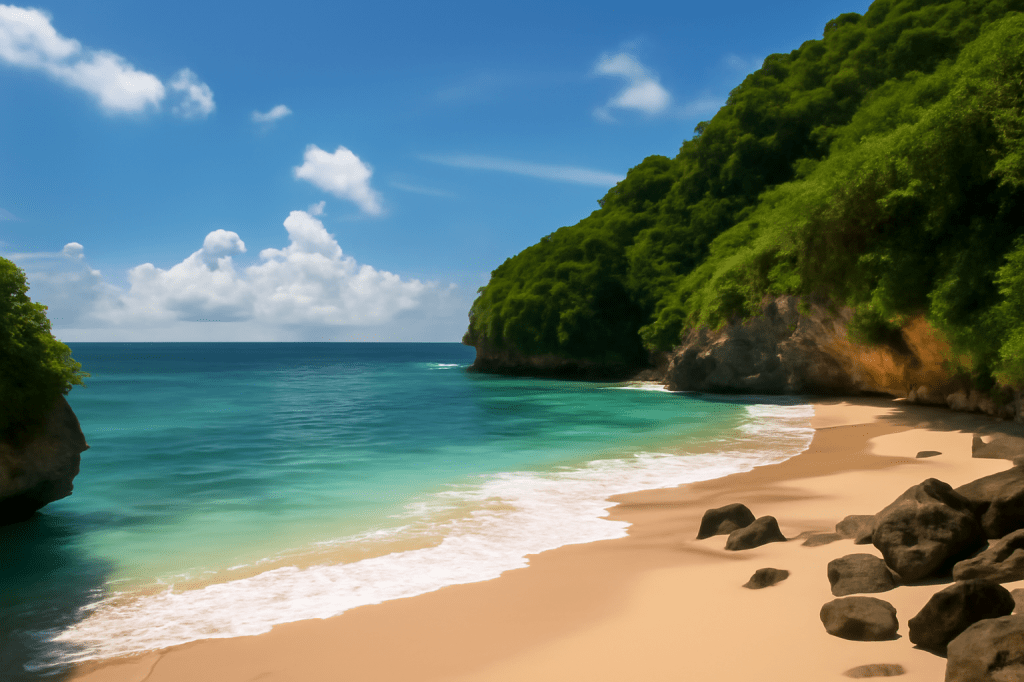
    Bali has many famous beaches, but some of the island’s hidden beaches offer even more peace and beauty. For example, Balangan Beach is known for its soft white sand and crystal-clear waters. Another hidden treasure is Green Bowl Beach, which is surrounded by steep cliffs and can be reached by a staircase. These secret beaches are perfect for those who prefer to avoid the crowds and want to enjoy a quieter, more private beach experience.

    Snorkeling and Diving at Menjangan Island:

    If you enjoy exploring underwater worlds, then snorkeling or diving at Menjangan Island should be on your list of things to do in Bali. Located in Bali’s northwest, Menjangan Island is part of Bali Barat National Park and is known for its incredible coral reefs and vibrant marine life. Whether you’re snorkeling in shallow waters or diving deeper to explore the underwater caves, the experience is unforgettable. The clear waters and rich biodiversity make Menjangan Island a top destination for nature lovers.

    Bali’s natural beauty is unmatched, offering countless ways to enjoy the outdoors. From exploring waterfalls to lounging on secluded beaches, there’s no shortage of incredible natural sites to visit. These locations will not only take your breath away but also provide the perfect escape into nature, making them some of the best things to do in Bali.

    Dive into Bali’s Unique Culture

    One of the most rewarding things to do in Bali is to explore the island’s rich cultural heritage. Bali is a place where ancient traditions are still very much alive, and there are many ways to experience the local culture. Whether through art, dance, or cuisine, Bali offers a unique cultural experience that will deepen your appreciation for this beautiful island.

    Ubud’s Traditional Markets:

    Ubud is often regarded as the cultural heart of Bali, and its traditional markets are a perfect place to experience local art and craftsmanship. At the Ubud Art Market, you can browse through a wide range of handmade goods such as intricate wood carvings, traditional batik clothing, and unique jewelry. Shopping here is not only about finding souvenirs but also about connecting with local artisans who take great pride in their work.

    Balinese Dance Performances:

    A must-do cultural activity in Bali is watching a traditional dance performance. The dances are colorful, energetic, and often tell stories of Bali’s mythology and spiritual beliefs. One of the best places to see these performances is at Uluwatu Temple, where you can watch the Kecak dance at sunset. The dramatic setting, combined with the traditional music and dance, offers an unforgettable cultural experience.

    Balinese Cuisine:

    Trying Bali’s local food is an essential part of the cultural experience. One of the most famous dishes is Nasi Goreng (fried rice), which you’ll find at almost every restaurant. For something more unique, try Babi Guling (suckling pig), a traditional Balinese dish often served during ceremonies and celebrations. If you want to go a step further, joining a cooking class is one of the best things to do in Bali to learn how to prepare these dishes yourself, using fresh local ingredients.

    Relax and Rejuvenate: Bali’s Best Wellness and Spa Experiences

    One of the most popular things to do in Bali is to unwind and indulge in the island’s world-renowned wellness and spa experiences. Bali is famous for its serene atmosphere, making it the perfect place to relax and rejuvenate. Whether you’re looking for a traditional massage, a luxury spa experience, or a wellness retreat, Bali offers something for everyone who wants to escape the stress of everyday life.

    Traditional Balinese Spa Treatments:

    Bali’s spas are known for their calming, therapeutic treatments, and a visit to one of the island’s many wellness centers is a must. Balinese massages, which often include a combination of gentle stretches and pressure point techniques, are designed to relax the body and mind. You can also try other traditional treatments like flower baths or aromatic oil massages, which help to relieve tension and promote relaxation. These spa experiences are perfect for those looking to rejuvenate after a long day of sightseeing or adventure.

    Yoga and Wellness Retreats in Ubud:

    Ubud is Bali’s wellness hub, offering numerous yoga retreats and wellness centers that attract travelers from around the world. These retreats focus on holistic health, offering yoga classes, meditation sessions, and healthy meals in tranquil, nature-filled settings. Joining a wellness retreat is one of the best things to do in Bali if you want to deeply relax, recharge, and connect with your inner peace. Whether you’re a beginner or an experienced yogi, there are options available for all levels of practice.

    Luxury Resorts with Spas and Infinity Pools:

    If you’re looking for a more luxurious wellness experience, Bali is home to some of the most beautiful resorts that offer spa services, yoga, and wellness programs. Many of these resorts have stunning infinity pools overlooking lush rice fields or the ocean, providing the perfect backdrop for relaxation. These resorts offer everything from traditional Balinese spa treatments to modern wellness facilities, making them ideal for travelers seeking luxury and relaxation.

    Holistic Healing and Detox Programs:

    For those interested in a more comprehensive wellness experience, Bali offers a variety of detox programs and holistic healing practices. These programs often include cleansing diets, detox juices, and personalized wellness plans to help you feel rejuvenated from the inside out. Whether you’re looking to detoxify your body or simply de-stress, these programs are a great way to focus on your health and well-being.

    Off-the-Beaten-Path Experiences: Discover Hidden Bali

    For those looking for things to do in Bali that stray from the well-known tourist spots, the island has plenty of hidden gems waiting to be explored. These off-the-beaten-path experiences provide a more peaceful and authentic side of Bali, allowing visitors to discover quieter beaches, traditional villages, and secluded natural wonders. If you’re ready to explore beyond the usual attractions, here are some unique experiences to consider.

    Nungnung Waterfall:

    Located in the central highlands, Nungnung Waterfall is a beautiful hidden spot that not many tourists know about. The waterfall is set in a lush jungle, offering a tranquil escape from the busy tourist areas. Reaching the waterfall requires a bit of a hike, but the stunning views and peaceful atmosphere make it one of the best things to do in Bali for nature lovers.

    Secret Beaches of Bali:

    While Bali is famous for its popular beaches, there are several lesser-known beaches where you can escape the crowds. Nyang Nyang Beach, for example, offers soft sand and crystal-clear waters, accessible only after a short hike down a cliff. Similarly, Amed is a quiet beach area known for its calm waters and excellent snorkeling, perfect for a relaxing day away from the hustle and bustle.

    Penglipuran Village:

    For a glimpse into traditional Balinese life, head to Penglipuran Village. This well-preserved village offers a rare look at rural Bali, with bamboo houses and a peaceful atmosphere. It’s one of the most unique things to do in Bali if you want to step away from the tourist hotspots and experience authentic Balinese culture.

    Bali’s hidden spots offer some of the most memorable experiences for those willing to venture off the beaten path. Whether you’re exploring a waterfall or discovering a quiet village, these hidden gems are a must-see for those seeking something different.

    Sustainable and Responsible Travel in Bali

    As more people discover Bali’s beauty, it’s important to consider sustainable and responsible travel practices when exploring the island. While there are many exciting things to do in Bali, ensuring that these activities don’t negatively impact the environment or local communities is crucial. By making conscious choices, you can enjoy Bali while helping to preserve its natural and cultural heritage for future generations.

    Support Local Businesses and Artisans:

    One of the best things to do in Bali is to shop at local markets and support small businesses. Ubud, for example, is full of vibrant artisan markets where you can buy handmade crafts and souvenirs directly from the creators. This not only helps preserve traditional Balinese arts and crafts but also supports local families and communities. When dining out, consider eating at family-owned warungs (local restaurants) to experience authentic Balinese cuisine while contributing to the local economy.

    Choose Eco-Friendly Tours and Activities:

    Bali offers many eco-tourism activities that allow you to explore the island’s beauty without harming the environment. Activities such as hiking in Bali’s national parks, snorkeling in protected reefs, and visiting sustainable farms help to support conservation efforts. When looking for things to do in Bali, seek out tour operators that prioritize environmental responsibility, such as those who minimize waste or participate in wildlife preservation programs.

    Respect Local Culture and Traditions:

    While exploring Bali’s temples, villages, and cultural sites, it’s important to respect the local customs and traditions. Dress modestly when visiting temples, avoid touching sacred objects, and always ask for permission before taking photos, especially in local ceremonies. Respecting the cultural practices of Bali’s people ensures that your visit is positive for both you and the community.

    Minimize Waste and Plastic Use:

    Plastic pollution is a significant concern in Bali. To help reduce your environmental impact, bring reusable water bottles, avoid single-use plastics, and participate in beach clean-ups or environmental campaigns. Many places in Bali are working hard to combat waste, and your efforts to reduce plastic consumption can make a difference.

    Bali is a treasure trove of exciting activities and experiences that cater to all kinds of travelers. From exploring iconic temples and spiritual sites to diving into thrilling adventures, there is no shortage of things to do in Bali. Whether you’re seeking relaxation, culture, nature, or adrenaline, this island offers something for everyone.

    As you plan your trip, remember that practicing sustainable travel is essential to preserving Bali’s beauty and culture. Supporting local businesses, reducing waste, and respecting the environment are simple yet impactful ways to enjoy all that Bali has to offer while helping to protect it for future generations.

Design a site like this with WordPress.com
Get started